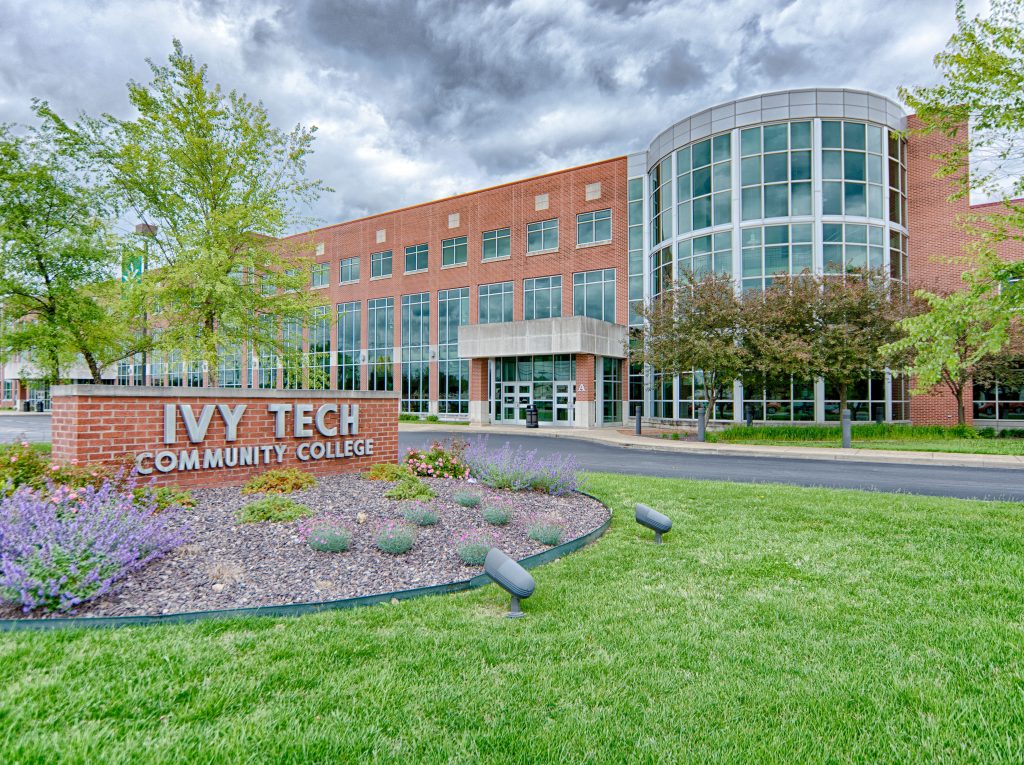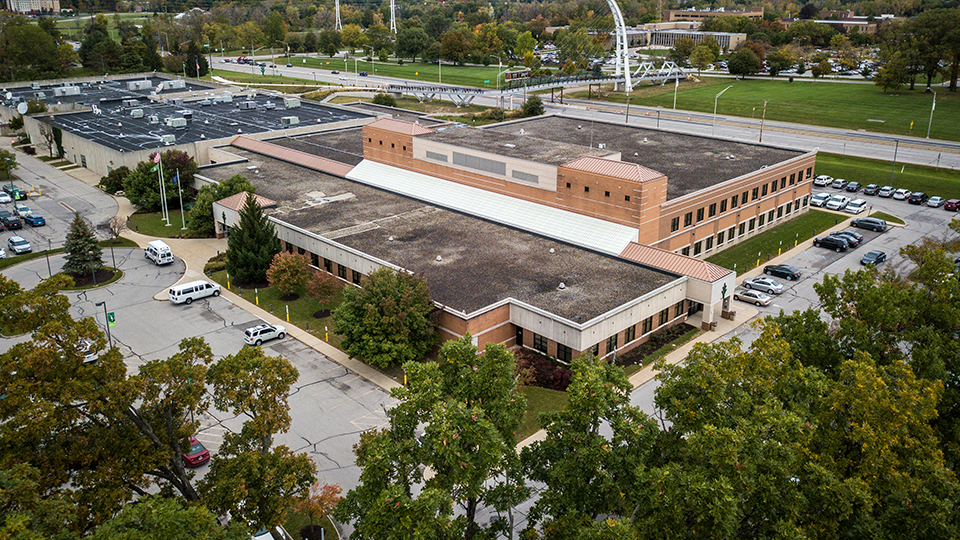
For many in northeast Indiana, higher education feels out of reach—too expensive, too time-consuming, or too far away. Fort Wayne Ivy Tech Campus changes that equation. It’s not a distant university with ivy-covered walls. It’s a practical, accessible gateway to careers, certifications, and transfer pathways—all within reach of students from all backgrounds.
This isn’t about prestige. It’s about progress. And Fort Wayne Ivy Tech delivers exactly that: measurable momentum for students who want real skills, real jobs, and real advancement—without the debt or delay.
A Community College Built for Regional Needs
Fort Wayne Ivy Tech Campus isn’t just part of a larger system—it responds directly to the economic and social climate of Allen County and surrounding areas. As Indiana’s largest community college network, Ivy Tech’s Fort Wayne location tailors its offerings to local industry demands, from advanced manufacturing to healthcare and IT.
Northeast Indiana has long relied on skilled trades and technical professions. Ivy Tech aligns with that legacy but pushes forward with modern programs in automation, cybersecurity, and health sciences. The campus sits just off Lima Road, central enough for students from Fort Wayne, New Haven, Huntington, and beyond, lowering transportation barriers for working adults.
Unlike large universities where students can get lost in lecture halls, Fort Wayne Ivy Tech emphasizes small class sizes, hands-on learning, and direct faculty engagement. This model works—especially for first-generation college students or those returning to education after years in the workforce.
Programs That Lead to Jobs—Not Just Degrees
The strength of Fort Wayne Ivy Tech lies in its career-focused curriculum. Students don’t enroll to accumulate credits—they enroll to build careers. Programs are structured around workforce outcomes, with guidance from local employer advisory boards ensuring relevance.
Key program areas include:
- Advanced Manufacturing & Engineering Technology
- Courses in CNC machining, robotics, and mechatronics feed directly into northeast Indiana’s manufacturing hubs. Local companies like ITW and Zimmer Biomet recruit from this pipeline.
- Health Sciences
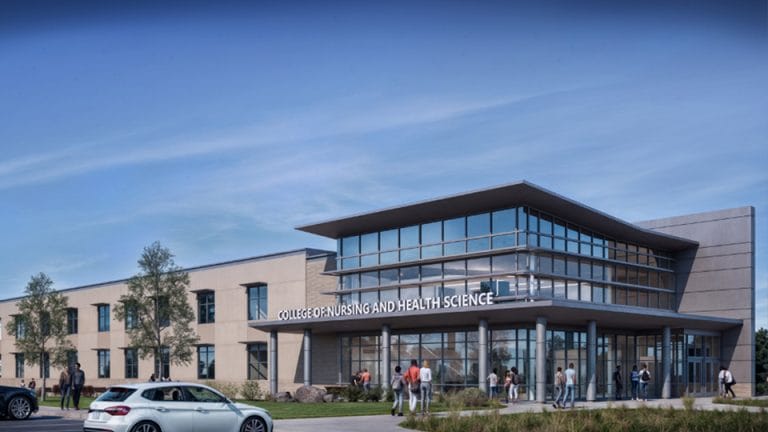
- From nursing and radiology to medical coding and dental assisting, Fort Wayne Ivy Tech prepares students for high-demand healthcare roles. The simulation labs mimic hospital environments, offering real-world practice.
- Information Technology
- Cybersecurity, network administration, and software development tracks respond to the digital transformation of regional businesses. Many students complete certifications like CompTIA Security+ alongside their coursework.
- Business & Public Services
- Programs in accounting, management, and criminal justice provide foundational skills for entry or advancement. Evening and online classes support students working full-time.
- Liberal Arts & Transfer Pathways
- For students planning to transfer to Purdue, IPFW (now Purdue Fort Wayne), or Ball State, Ivy Tech offers Associate of Arts and Associate of Science degrees that fulfill general education requirements at a fraction of the cost.
Each program includes embedded support—academic advising, tutoring, and career coaching. Students aren’t left to figure things out alone.
Real-World Learning Through Labs and Partnerships
One of the most underappreciated advantages of Fort Wayne Ivy Tech is access to industry-grade equipment and experiential learning. Students aren’t just reading about automation—they’re programming PLCs on the same systems used in local factories.
The campus features:
- Advanced Manufacturing Lab with full-scale industrial robots and CNC machines
- Health Sciences Simulation Center with mannequins that mimic patient responses
- Cybersecurity Lab with isolated network environments for ethical hacking practice
- Automotive Technology Bay equipped with modern diagnostic tools
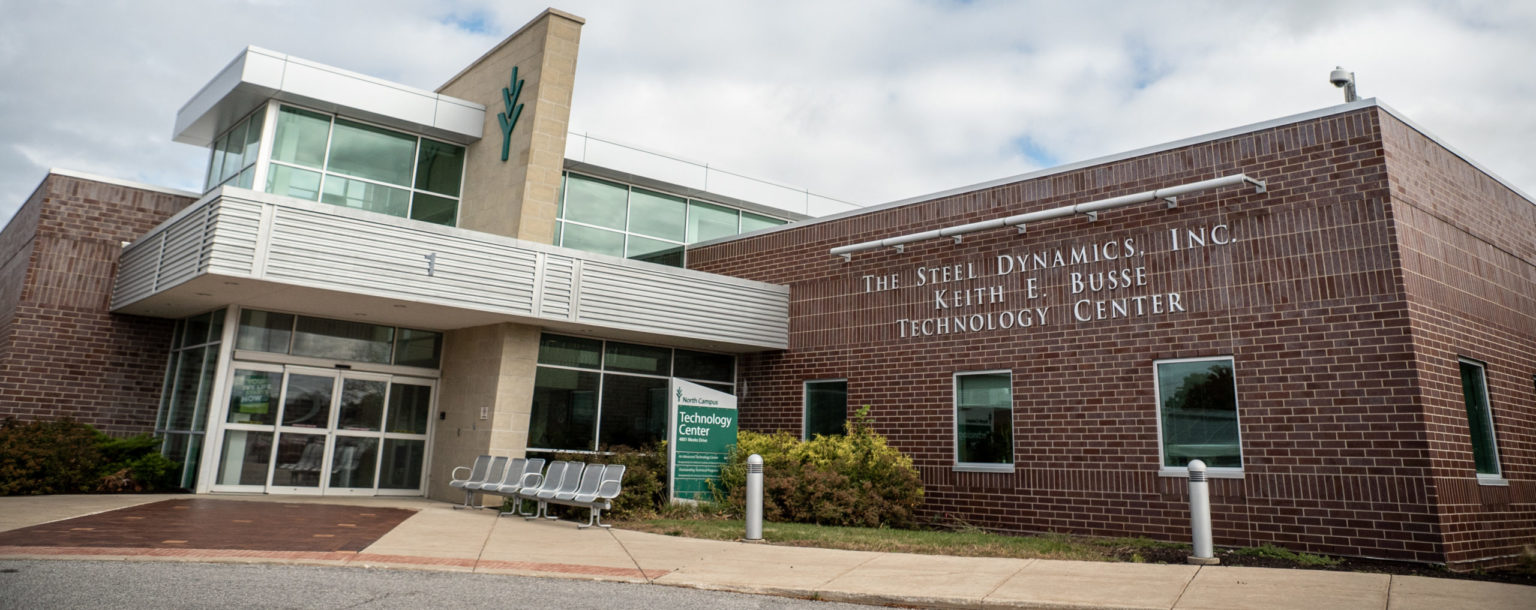
These labs aren’t for show—they’re central to the curriculum. A student in the HVAC program, for example, spends hours troubleshooting real refrigeration units, not just studying diagrams.
Beyond labs, Ivy Tech maintains strong relationships with regional employers. Internships, job shadowing, and apprenticeships are built into many programs. For instance, nursing students complete clinical rotations at Parkview and Lutheran Health Network hospitals, gaining critical experience before graduation.
Employers like Sweetwater Sound, Steel Dynamics, and Parkview Health regularly attend on-campus job fairs and post openings exclusively for Ivy Tech students. These aren’t “maybe” opportunities—they’re real hiring pipelines.
Affordability That Makes Sense
Let’s be clear: college is expensive. But at Fort Wayne Ivy Tech, the numbers tell a different story.
Tuition for in-district students runs roughly $130 per credit hour. A full-time student can complete an associate degree for around $8,000–$10,000—less than one year at most public universities.
But the savings don’t stop there. Financial aid, Indiana’s 21st Century Scholars program, and Workforce Ready Grants cover tuition completely for eligible students. The Workforce Ready Grant, in particular, is a game-changer: it pays full tuition for high-demand fields like nursing, IT, and advanced manufacturing—no repayment required.
Many students graduate debt-free.
Compare that to the average bachelor’s degree debt in Indiana—over $28,000—and the value proposition becomes undeniable. For students unsure about a four-year path, starting at Fort Wayne Ivy Tech cuts risk and cost while building credentials fast.
Flexibility for Working Adults and Non-Traditional Students
College doesn’t fit neatly into a 9-to-5 box for many in Fort Wayne. That’s why Ivy Tech offers multiple pathways to complete a degree:
- Evening and weekend classes for those working full-time
- Online and hybrid options across most programs
- Accelerated courses that condense material into 8-week terms
- Prior learning assessment to earn credit for work experience or military training
A single parent working nights at a distribution center can take online classes during the day. A mechanic with 15 years of experience can test out of foundational courses and fast-track a degree in automotive technology.
This flexibility is critical. The average Ivy Tech student is 26 years old—older than the traditional college demographic. Life interruptions are common. Ivy Tech builds room for them.
Advisors help students create personalized education plans, balancing work, family, and coursework. They also connect students with resources like childcare assistance, transportation vouchers, and food pantries on campus.
Transfer Pathways: A Smart Start, Not a Dead End
A common misconception is that community college limits future options. At Fort Wayne Ivy Tech, it’s the opposite.
Through articulation agreements with Purdue University, Purdue Fort Wayne, Indiana University, and Ball State, students can transfer seamlessly into bachelor’s programs. Courses are designed to align, so credits aren’t lost in translation.
For example:
- An Associate of Science in Engineering Transfer prepares students for Purdue’s engineering programs
- Business Administration graduates can transfer directly into a B.S. in Business at IPFW
- Teachers-in-training earn an Associate of Science in Education before moving to a four-year institution
Many students save $20,000 or more by completing general education at Ivy Tech before transferring. That’s not just smart—it’s strategic.
Advisors specialize in transfer planning, helping students select the right courses and meet deadlines. Some students even split their time—taking upper-level courses at PFW while finishing their associate degree.
How to Get Started at Fort Wayne Ivy Tech
Enrolling is straightforward—but knowing the steps helps avoid delays.
- Attend an Orientation
- Required for all new students. Covers academic policies, financial aid, and campus resources. Offered weekly, in-person and online.
- Complete the FAFSA
- Even if you’re unsure about aid, file it. Many grants and scholarships require it. Ivy Tech’s school code: 007172.
- Take the Accuplacer Placement Test (if needed)
- Determines readiness for college-level math and English. Free practice tools are available. Students with recent ACT/SAT scores may be exempt.
- Meet with an Academic Advisor
- Crucial step. Advisors help choose a program, create a degree plan, and identify financial aid options.
- Register for Classes
- Done through MyIvy, the student portal. New users get IT support during orientation.
- Apply for Workforce Ready Grant (if eligible)
- Covers full tuition for high-demand programs. Must be pursuing an eligible credential and meet income requirements.
Pro tip: Apply early. Some programs—like nursing and dental hygiene—have limited seats and competitive entry.
Support Beyond the Classroom
Graduation isn’t just about passing classes. It’s about overcoming barriers. Fort Wayne Ivy Tech offers wraparound support to keep students on track.
- Tutoring Center: Free drop-in and appointment-based help in math, writing, and sciences
- Career Services: Resume reviews, mock interviews, job board access
- Mental Health Counseling: Confidential, no-cost sessions with licensed counselors
- Veterans Services: Assistance with GI Bill benefits and military credit transfer
- Disability Support: Accommodations for learning, physical, and mental health needs
The TRiO Student Support Services program provides extra coaching for first-gen, low-income, or disabled students. Participants show higher retention and graduation rates—proof that targeted support works.
Even after graduation, alumni can access job placement help and networking events.
A Launchpad for Northeast Indiana
Fort Wayne Ivy Tech Campus isn’t trying to be Harvard. It’s trying to be effective. For a region where opportunity isn’t equally distributed, it delivers something powerful: access.
Whether you’re a high school grad weighing options, a laid-off worker needing new skills, or a professional aiming to advance, this campus meets you where you are. It doesn’t promise overnight success—but it does offer a proven path forward.
The best move? Visit. Attend an info session. Talk to an advisor. Walk through the labs. See the classrooms.
Because the real value of Fort Wayne Ivy Tech isn’t in brochures or websites. It’s in the students who walk across the stage, diploma in hand, ready for their next step—stronger, smarter, and more confident than before.
Take action today. Enrollment isn’t just open—it’s your next opportunity.
FAQ
What programs are most popular at Fort Wayne Ivy Tech? Nursing, advanced manufacturing, IT, and business administration see the highest enrollment due to strong job placement and industry demand.
Can I transfer to a four-year university from Fort Wayne Ivy Tech? Yes. Ivy Tech has articulation agreements with Purdue, Ball State, Indiana University, and Purdue Fort Wayne, ensuring smooth credit transfer.
Is financial aid available? Yes. Most students qualify for federal aid, and Indiana’s Workforce Ready Grant covers full tuition for high-demand programs.
Are classes offered online? Many programs offer online or hybrid options, especially in business, IT, and liberal arts.
How much does tuition cost? In-district tuition is approximately $130 per credit hour. Full-time students pay around $4,000 per year.
Do I need to take a placement test? Most new students take the Accuplacer, but those with qualifying ACT, SAT, or prior college credits may be exempt.
Is campus parking free? Yes, students park for free with a valid Ivy Tech ID. Designated lots are available across the campus.
FAQ
What should you look for in Fort Wayne Ivy Tech Campus: Education Access and Opportunity? Focus on relevance, practical value, and how well the solution matches real user intent.
Is Fort Wayne Ivy Tech Campus: Education Access and Opportunity suitable for beginners? That depends on the workflow, but a clear step-by-step approach usually makes it easier to start.
How do you compare options around Fort Wayne Ivy Tech Campus: Education Access and Opportunity? Compare features, trust signals, limitations, pricing, and ease of implementation.
What mistakes should you avoid? Avoid generic choices, weak validation, and decisions based only on marketing claims.
What is the next best step? Shortlist the most relevant options, validate them quickly, and refine from real-world results.