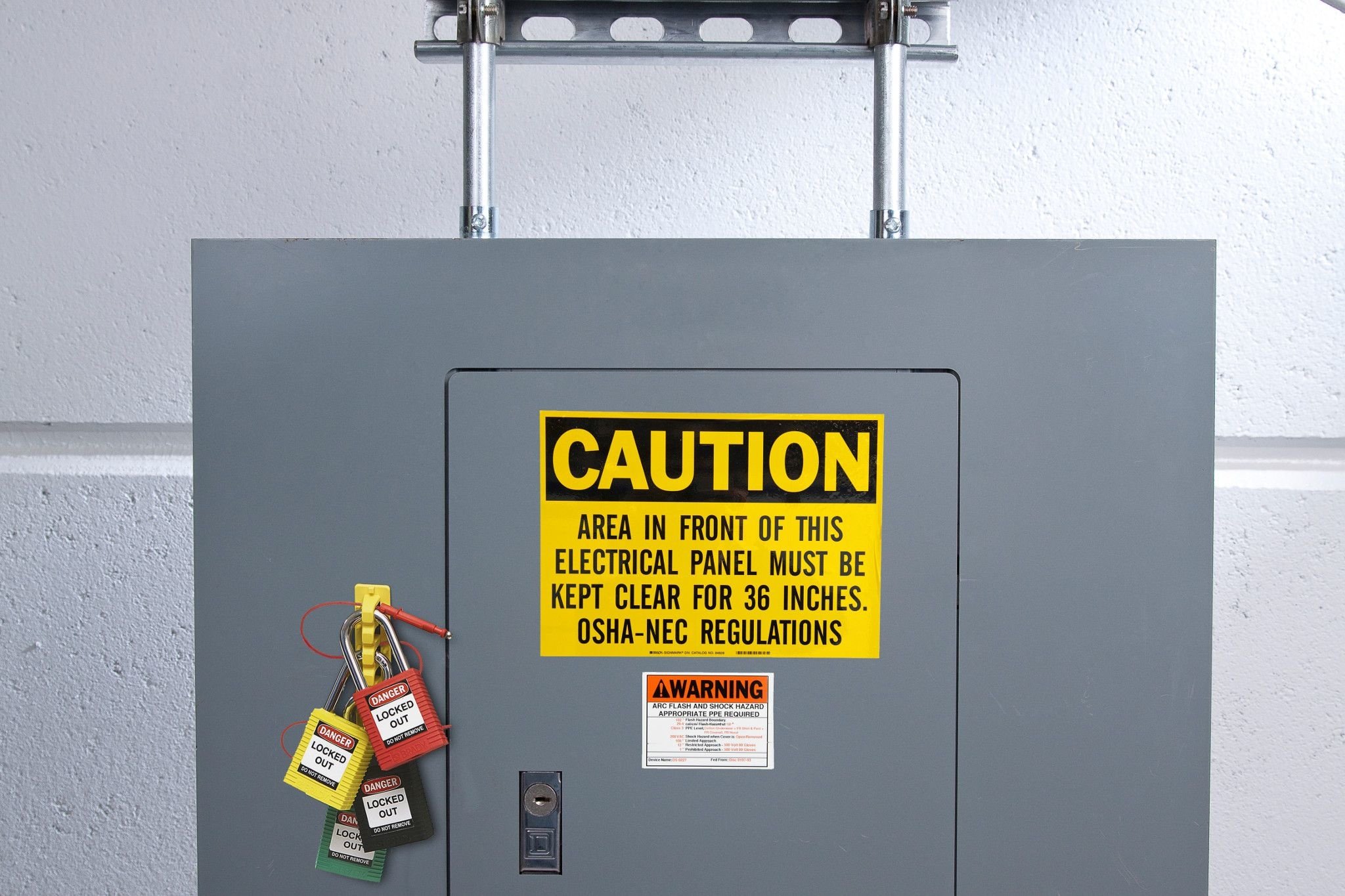
In facilities across industries, a single moment of oversight around energized equipment can lead to severe burns, electrocution, or worse. That’s why lockout tagout electrical safety isn’t just a regulatory box to check—it’s a life-preserving system rooted in discipline, clarity, and process.
Lockout tagout (LOTO) is the frontline defense against unexpected energization or startup of machines during maintenance. When it comes to electrical systems, the risks are amplified. Faulty wiring, stored energy, and human error combine into a dangerous mix. A properly executed LOTO procedure removes that risk by physically isolating energy sources and ensuring they stay off.
Let’s break down how lockout tagout applies specifically to electrical safety—what works, what fails, and how to build a system that holds under pressure.
What Lockout Tagout Means for Electrical Systems
LOTO in electrical contexts involves isolating circuits, locking disconnects, and tagging them to prevent accidental re-energization. Unlike mechanical systems, electrical hazards are invisible. You can’t see live voltage, but it can stop a heart in milliseconds.
The core principle: zero energy exposure during service. That means more than just flipping a switch. It requires verified de-energization, lock application by the servicing worker, and documented verification.
For example, an electrician servicing a 480V motor control center must: - Notify affected personnel - Shut down the system via proper disconnect - Apply a lockout device to the circuit breaker - Test for zero energy using a voltage tester - Affix a tag explaining the reason, date, and responsible person
Skip any step, and the margin for error collapses.
Electrical systems often contain stored energy—in capacitors, batteries, or even induced voltage from nearby lines. A complete LOTO procedure accounts for these residual risks. Grounding sticks, bleed-down procedures, and PPE integration aren’t optional extras. They’re part of the sequence.
OSHA Requirements and the Legal Backbone
OSHA’s standard 29 CFR 1910.147 is the foundation of U.S. LOTO compliance. While it covers all forms of hazardous energy, electrical systems fall under its strictest scrutiny. According to OSHA, each authorized employee must be trained, and each energy source must be individually controlled.
Key mandates: - Written energy control procedures - Annual audits of LOTO practices - Distinct locks and tags assigned to individuals - Clear identification of isolation points
Failure isn’t just risky—it’s costly. OSHA consistently ranks improper lockout tagout among its top cited violations, with penalties reaching tens of thousands per incident. In 2023, a manufacturing plant was fined over $120,000 after an employee was electrocuted during panel maintenance—no lockout had been applied.
But compliance isn’t the goal. Safety is. OSHA’s rules exist because people get hurt. A documented procedure protects both workers and organizations.
One common flaw? Group lockout confusion. When multiple technicians work on one circuit, each must apply their own lock. The "group leader" model doesn’t absolve individuals of responsibility. Each worker verifies isolation before beginning work.
Real-World Applications Across Industries
Electrical LOTO isn’t theoretical. It’s applied daily in environments where power systems are complex and unforgiving.
Manufacturing Plants Assembly lines rely on high-voltage drives and control circuits. During changeovers or repairs, LOTO ensures no sudden activation. A robot arm reprogramming job requires not just control power isolation but also safety relay disablement—each step locked and tagged.
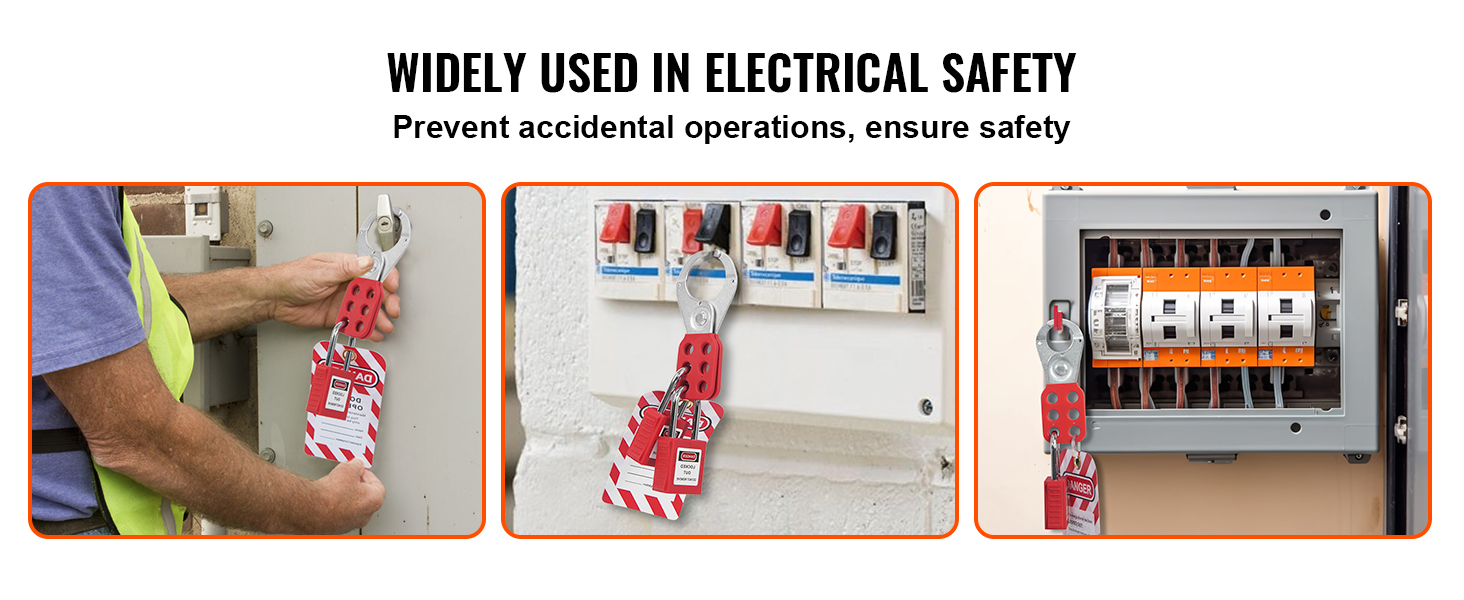
Healthcare Facilities Hospitals can’t afford downtime, but they also can’t risk technician safety. Maintenance on emergency power systems—critical during outages—demands precise LOTO. Imagine servicing a transfer switch: failure to lock out both utility and generator feeds could backfeed lethal voltage.
Data Centers With uptime measured in nines, engineers often work on live systems. But when maintenance does occur, electrical LOTO is non-negotiable. A PDU (power distribution unit) upgrade requires lockout of upstream breakers, even if downstream loads are on UPS. Stored energy in capacitors must be bled safely.
Commercial Buildings HVAC technicians servicing rooftop units often face live disconnects. A tagged but unlocked disconnect is a ticking hazard. A real case: a maintenance worker in Texas was electrocuted when a coworker re-energized a unit, assuming the tag was outdated. The victim’s lock wasn’t used—only a tag.
These cases show that LOTO isn’t just about process. It’s about culture.
Common Mistakes That Undermine Electrical Safety
Even experienced teams make errors. Here are the most frequent LOTO breakdowns in electrical work:
1. Relying on Tags Without Locks A tag alone doesn’t stop energy flow. Tags are warnings. Locks are barriers. If a disconnect can be closed without removing hardware, it’s not secured.
2. Using Master or Shared Locks Each worker needs their own lock. A “supervisor lock” applied on behalf of others defeats personal accountability. If five people work on a panel, five locks must be present.
3. Skipping Voltage Testing Assuming a circuit is dead is a recipe for disaster. Always test before touch. Use a properly rated meter and verify it on a known source before and after.
4. Ignoring Stored Energy Capacitors in VFDs can hold lethal charge for hours. Batteries in backup systems remain live even when isolated. These must be discharged and grounded per manufacturer instructions.
5. Poor Lockout Device Selection Not all lockout hasps or circuit breaker locks fit every application. Using an ill-fitting device can give false confidence. Invest in equipment-specific kits.
6. Inadequate Training Authorized employees must understand not just the steps, but the “why.” Training should include hands-on practice, electrical schematics, and failure simulations.
Each mistake narrows the safety margin. The best programs audit not just compliance, but behavior.
Building an Effective Electrical LOTO Program
A strong LOTO system doesn’t emerge overnight. It’s built on documentation, tools, and accountability.
Start with a site-specific energy control plan. Map every electrical isolation point—main disconnects, branch breakers, motor starters, battery banks. Assign unique identifiers, like “MCC-3B-CB12.”
Then, develop written procedures for high-risk tasks: - Switchgear maintenance - Transformer servicing - Emergency generator testing - Control panel upgrades
Each procedure should include: - Step-by-step shutdown sequence - Required PPE (e.g., arc flash suit, voltage-rated gloves) - Lockout device types - Verification method (e.g., “test each phase with CAT IV meter”) - Supervisor sign-off requirement
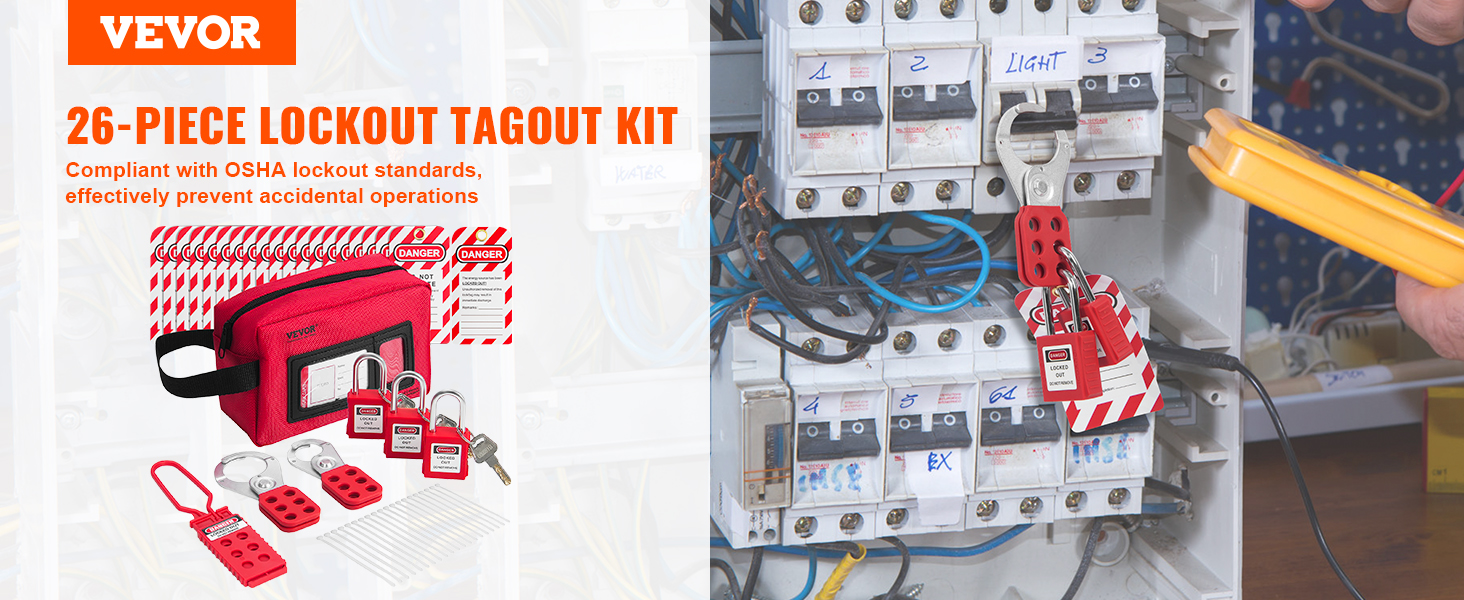
Equip workers with standardized lockout kits. A basic electrical LOTO kit includes: - Personal lock (keyed differently for each worker) - Hasp or breaker lockout device - Tag with space for name, date, reason - Voltage tester - Personal protective equipment checklist
Conduct annual inspections with a checklist: - Are locks properly applied? - Are tags current and complete? - Is stored energy addressed? - Do workers demonstrate understanding?
Use findings to refine training—not to punish.
Why Electrical LOTO Differs from Mechanical Isolation
While LOTO principles apply across energy types, electrical systems demand extra rigor.
| Factor | Electrical LOTO | Mechanical LOTO |
|---|---|---|
| Energy Visibility | Invisible (voltage) | Often visible (moving parts) |
| Stored Energy Risk | High (capacitors, batteries) | Moderate (springs, hydraulics) |
| Verification Method | Voltage testing required | Visual/physical check |
| Response Time to Hazard | Instant (arc flash, shock) | Often delayed |
| Isolation Point | Circuit breakers, disconnects | Valves, switches |
Electrical faults can trigger arc flashes exceeding 35,000°F—hotter than the sun’s surface. That’s why verification isn’t a formality. It’s the final gate before entry.
Additionally, electrical systems often involve remote re-energization. A breaker in a substation can be closed from a control room miles away. LOTO must account for all control methods—manual, automated, or remote.
Choosing the Right LOTO Devices for Electrical Work
Not all lockout hardware is equal. Match devices to your equipment and environment.
Here are five reliable options for electrical applications:
- Grace Industries GRI-100 Breaker Lockout
- - Fits most 15–200A circuit breakers
- - UV-resistant polycarbonate
- - Accommodates up to six padlocks
- - Ideal for panelboards and distribution units
- Safeguard Equipment SGL-12 Hasp
- - Stainless steel construction
- - 12mm shackle for high-security padlocks
- - Used to group isolate multiple breakers
- - Corrosion-resistant for industrial settings
- King Towel KT-LOTO-50 Electrical Kit
- - Complete personal kit with lock, tag, tester, gloves
- - Includes insulated tools
- - Meets NFPA 70E requirements
- - Portable for field technicians
- Ideal Industries Voltage Testers (Cat IV 1000V)
- - Non-contact and contact testing
- - Self-test feature ensures functionality
- - Critical for verifying de-energization
- - Required before any contact with conductors
- Seton Personal Lockout Station (50-Cabinet)
- - Organizes individual locks and tags
- - Tracks who is working on which system
- - Prevents lock sharing
- - Integrates with permit-to-work systems
Investing in quality hardware pays off in reliability and trust. Workers are more likely to follow procedures when tools work seamlessly.
Closing: Make LOTO a Habit, Not a Hurdle
Lockout tagout electrical safety isn’t about slowing work down. It’s about ensuring that every worker goes home the same way they arrived—alive and unharmed.
The best programs treat LOTO as a core value, not a compliance task. Supervisors lead by example. Technicians speak up when procedures are skipped. Audits drive improvement, not blame.
Start small: pick one high-risk electrical panel. Map its isolation points. Write a procedure. Train the team. Audit it next month.
Then scale. Because in electrical safety, consistency beats complexity every time.
FAQ
What is the first step in an electrical lockout tagout procedure? Shut down the equipment using normal controls and notify all affected personnel before beginning isolation.
Can you use only a tag without a lock for electrical systems? No. Tags are warnings only. A physical lock is required to prevent accidental re-energization.
How often should LOTO procedures be reviewed? At least annually, or whenever equipment changes, processes are modified, or an incident occurs.
Who is responsible for applying lockout devices on electrical systems? Each authorized employee performing service must apply their own lock and tag.
What tools are essential for electrical LOTO? A lock, hasp or breaker lockout, voltage tester, tag, and appropriate PPE like insulated gloves and arc-rated clothing.
Do LOTO procedures apply to low-voltage systems? Yes. Even 120V circuits can cause fatal shocks or arc flashes. All electrical work requires energy control.
What should a LOTO tag include? The worker’s name, date, reason for lockout, and contact information.
FAQ
What should you look for in Lockout Tagout Electrical Safety: Protect Workers, Prevent Accidents? Focus on relevance, practical value, and how well the solution matches real user intent.
Is Lockout Tagout Electrical Safety: Protect Workers, Prevent Accidents suitable for beginners? That depends on the workflow, but a clear step-by-step approach usually makes it easier to start.
How do you compare options around Lockout Tagout Electrical Safety: Protect Workers, Prevent Accidents? Compare features, trust signals, limitations, pricing, and ease of implementation.
What mistakes should you avoid? Avoid generic choices, weak validation, and decisions based only on marketing claims.
What is the next best step? Shortlist the most relevant options, validate them quickly, and refine from real-world results.